
"Rwandan coffee price"
300 article(s) found

Rwanda hand-brewed coffee recommended the flavor and taste characteristics of Rwanda bourbon washed coffee beans
For more information on coffee beans, please pay attention to the processing method of Muhongduo Water washing processing Plant in Coffee Workshop (Wechat official account cafe_style). The Muhondo water washing and processing plant in Rwanda is famous for its impeccable coffee processing methods. From buoyancy screening to classification, classification, and then to drying, every step reflects the pursuit of quality. In 2018 Muhondo Coffee
Where to buy coffee beans in Rwanda _ present situation of coffee production in Rwanda _ is the price of coffee beans expensive in Rwanda
Professional coffee knowledge exchange for more information on coffee beans follow the coffee workshop (Wechat official account cafe_style) according to the President of the Rwandan Coffee processing and Export Association (CEPAR), coffee is a key factor in achieving sustainable development in the country. CEPAR was founded in 2010 to support coffee production through the establishment of a fertilizer fund, originally by the National Agricultural Export Commission.

A brief introduction to the planting Market Price of Fine Coffee Bean varieties with strong Flavor
Rwanda has been growing coffee since colonial times. Although the crops are mainly coffee, the quality of coffee produced in Rwanda is not outstanding, and its status in the coffee world is low, and few people pay attention to it. Most of the coffee varieties grown in Rwanda are bourbon. Rwanda, known as the country of Thousand Hills, has a high-altitude mountain environment, fertile volcanic soil and abundant precipitation.

Flavor characteristics of Rwandan Coffee in Red Bourbon-Buf Caf é small Farm
Professional coffee knowledge exchange more coffee bean information please follow the coffee workshop (Wechat official account cafe_style) Rwanda is located in the heart of the interior of Africa, its mountain terrain is fertile land, as well as ancient traditional bourbon species, indicating that the natural environment needed to grow quality coffee beans can be found everywhere in Rwanda. Coffee was introduced to Rwanda by German missionaries in 1904, 1930.

Rwanda Malaba Coffee introduces the treatment of boutique coffee
Rwandans have been growing coffee since colonial times, but until 1999, its products were still classified as below Class C and were not popular in the global market. The reason for the poor quality is that farmers do not have a fixed procedure for washing coffee beans and do not process coffee fruits according to specifications in time. Buyers buy coffee beans at $0.33 per kilogram, and farmers keep warm by the meagre profits earned at low prices.
Boutique coffee Rwanda coffee origin Rwanda coffee practice
Rwandans have been growing coffee since colonial times, but until 1999, its products were still classified as below Class C and were not popular in the global market. The reason for the poor quality is that farmers do not have a fixed procedure for washing coffee beans and do not process coffee fruits according to specifications in time. Buyers buy coffee beans at $0.33 per kilogram, and farmers keep warm by the meagre profits earned at low prices.
Fine coffee Rwanda coffee manor Rwanda coffee producing area
Rwandans have been growing coffee since colonial times, but until 1999, its products were still classified as below Class C and were not popular in the global market. The reason for the poor quality is that farmers do not have a fixed procedure for washing coffee beans and do not process coffee fruits according to specifications in time. Buyers buy coffee beans at $0.33 per kilogram, and farmers keep warm by the meagre profits earned at low prices.

The long aftertaste of Rwanda's Chimaier estate fine coffee beans variety planting market price profile
PEARL brought coffee specialists to Rwanda, where it was responsible for maintaining contact with the seller, Community Coffee of Louisiana, USA, and sending samples to Louisiana. In June 2002, representatives of Public Coffee visited Malabar. At that time, the current President of Rwanda, Paul Kagame, spoke on behalf of the government about the importance of this plan.

The difference between Burundian Coffee and Rwandan Coffee Burundian Coffee Bean Brand recommendation
Professional coffee knowledge exchange more coffee bean information please follow Coffee Workshop (Wechat official account cafe_style) Burundi-the title of the Heart of Africa, Burundi (Burundi) is a small and primitive beautiful landlocked country, located at the crossroads of Central Africa and East African countries, is the watershed between Africa's great Nile and Congo River, the capital Bujumbura is located by the lake

Rwanda COCAN Kabuga Coffee Cooperative introduces the taste characteristics of coffee produced in Rwanda
For more information on coffee beans, please follow the coffee workshop (Wechat official account cafe_style) the taste of Rwandan coffee varies a lot: cherry, raisin, lime, acrylic, cantaloupe, orange, honey, candy, apricot, plum and so on. In fact, the taste of these fruits are all certified by excellent growing conditions. According to Nationa

Boutique coffee Rwanda coffee origin Rwanda coffee practice
Rwandans have been growing coffee since colonial times, but until 1999, its products were still classified as below Class C and were not popular in the global market. The reason for the poor quality is that farmers do not have a fixed procedure for washing coffee beans and do not process coffee fruits according to specifications in time. Buyers buy coffee beans at $0.33 per kilogram, and farmers keep warm by the meagre profits earned at low prices.
Fine coffee Rwanda Coffee characteristics introduction to Rwanda Coffee
Rwandans have been growing coffee since colonial times, but until 1999, its products were still classified as below Class C and were not popular in the global market. The reason for the poor quality is that farmers do not have a fixed procedure for washing coffee beans and do not process coffee fruits according to specifications in time. Buyers buy coffee beans at $0.33 per kilogram, and farmers keep warm by the meagre profits earned at low prices.

Fine coffee Rwanda coffee manor Rwanda coffee producing area
Rwandans have been growing coffee since colonial times, but until 1999, its products were still classified as below Class C and were not popular in the global market. The reason for the poor quality is that farmers do not have a fixed procedure for washing coffee beans and do not process coffee fruits according to specifications in time. Buyers buy coffee beans at $0.33 per kilogram, and farmers keep warm by the meagre profits earned at low prices.
Rwanda Coffee Plantation Rwanda Coffee Region
Rwandans have been growing coffee since colonial times, but until 1999, the product was classified as below grade C and was not available on the global market. The reason for the poor quality is that farmers do not have a fixed procedure for cleaning coffee beans, and they do not process coffee fruits according to specifications in time. Buyers pay $0.33 a kilo for coffee beans, farmers keep warm on the meager margins they earn at low prices
Boutique coffee Rwanda coffee flavor red apple, cherry, cinnamon, honey
Rwandans have been growing coffee since colonial times, but until 1999, its products were still classified as below Class C and were not popular in the global market. The reason for the poor quality is that farmers do not have a fixed procedure for washing coffee beans and do not process coffee fruits according to specifications in time. Buyers buy coffee beans at $0.33 per kilogram, and farmers keep warm by the meagre profits earned at low prices.
Fine coffee Rwanda coffee treatment method washing, elevated scaffolding sun drying
Rwandans have been growing coffee since colonial times, but until 1999, its products were still classified as below Class C and were not popular in the global market. The reason for the poor quality is that farmers do not have a fixed procedure for washing coffee beans and do not process coffee fruits according to specifications in time. Buyers buy coffee beans at $0.33 per kilogram, and farmers keep warm by the meagre profits earned at low prices.

Boutique coffee Rwanda coffee producing area in the western province of Lutexilo
Rwandans have been growing coffee since colonial times, but until 1999, its products were still classified as below Class C and were not popular in the global market. The reason for the poor quality is that farmers do not have a fixed procedure for washing coffee beans and do not process coffee fruits according to specifications in time. Buyers buy coffee beans at $0.33 per kilogram, and farmers keep warm by the meagre profits earned at low prices.

Flavor characteristics of Starbucks Rwanda Coffee Bean Story processing method of Rwanda Gesak coffee bean
For the exchange of professional baristas, please follow the coffee workshop (official Wechat account cafe_style). The Monchee Hamuyi processing plant in the western province of Rwanda has worked together to batch the sunburn bourbon species Rwanda West Province Mashesha CWS Bourbon Natural countries: Rwanda Rwanda production area: the western province West Province processing plant: Monseha processing plant Mashesha CWS, Mushuyi

Introduction of Gatare coffee producing area in Gothley, Rwanda. Starbucks Blue bourbon in Rwanda is really that expensive.
Professional coffee knowledge exchange more coffee bean information please follow the coffee workshop (Wechat official account cafe_style) name: Starbucks Rwanda Blue bourbon Coffee Origin: Rwanda Gatare/ Karengera Price: about US $24 per pound Starbucks Coffee in 2004 found that the coffee beans produced in the Gatare and Karengera areas of Rwanda are of good quality and launched a black apron.
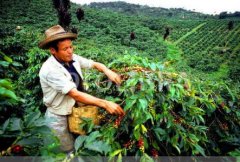
Cultivation of sweet citrus coffee beans in Rwanda A brief introduction to the geographical location, climate and altitude
In June 2002, representatives of public coffee visited Malaba. At that time, the current President of Rwanda, Paul Kagame, declared the importance of the plan on behalf of the government. Public Coffee bought 18000 kilograms (40000 pounds) of Malaba beans at $3 per kilogram above the average market price. Coffee beans are transported to Louisiana, where they are roasted and used in